

Welcome to Rexburg Southwest: Heartbeat of Community and Heritage
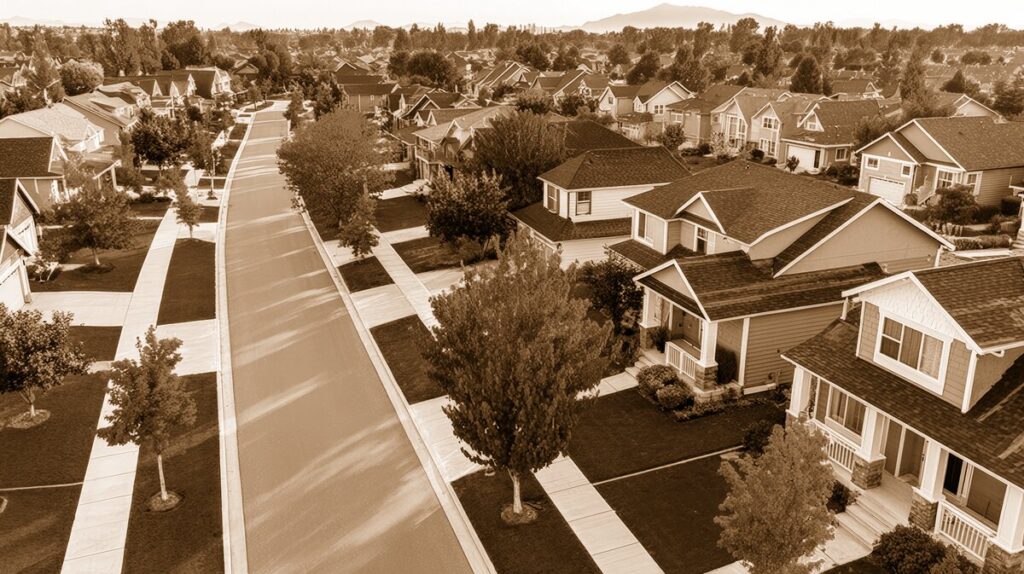
Few neighborhoods in Rexburg, Idaho, hold the same sense of quiet pride and deep roots as the Southwest. This corner of Rexburg—stretching from Main Street’s bustling corridor toward the scenic edges west of South 5th West and cutting south past 4th South—brims with the living history of a tight-knit town. To walk along its tree-lined streets is to step into a tapestry woven from the stories, struggles, and successes of generations.
The Origins: From Pioneering Pastures to Community Cornerstone
Rexburg itself was founded by Mormon pioneers in 1883, and the city’s Southwest soon emerged as one of its earliest residential hubs. The area’s open fields and gentle slopes made it ideal for farming, livestock, and—eventually—housing large families settling in the wake of the great Western migration. In fact, this part of town was home to some of Rexburg’s original farmsteads, many of which are remembered now in local lore and the gentle curve of its older streets like Pioneer Road and South 2nd West.
The Southwest neighborhood earns its name simply from its cardinal position, but that doesn’t do justice to the sense of identity it has nurtured. While the official platting and neighborhood boundaries evolved over the years, Southwest has always referred to the area west and south of Rexburg’s traditional downtown, where the city’s grid subtly bends to the will of the Teton River in the distance.
Key Historical Milestones
- Early 1900s: The first family homesteads give way to clustered neighborhoods. Churches, small markets, and one-room schoolhouses began dotting the local streets.
- 1920s-1940s: The railroad and new highways brought waves of fresh faces and craftspeople, spurring the establishment of local businesses along West Main and South Yellowstone Highway.
- 1976 Teton Dam Flood: No story about Rexburg Southwest is complete without mentioning the Teton Dam disaster. The floodwaters surged through the heart of the neighborhood, leaving destruction—but also an outpouring of neighborly aid and resilience that defines Southwest’s spirit to this day.
- 1980s-Present: The expanding presence of Ricks College (now BYU-Idaho) transformed parts of the neighborhood, bringing student housing, new parks, and greater cultural diversity, as well as new infrastructure like Smith Park and improvements to South Third West.
Notable Landmarks and Hidden Gems
The Southwest’s landmarks speak softly but carry the weight of local legacy:
- Smith Park: Tucked just west of downtown, Smith Park is more than a swath of green. It’s the staging ground for July 4th picnics, sledding hills in winter, and impromptu soccer matches all year.
- The “Red Brick Schoolhouse”: On South 2nd West stands the former elementary building, known for decades as the Red Brick Schoolhouse. Community members have long advocated for its preservation, citing its unique blend of pioneer architecture and educational spirit.
- Historic Farm Homes: Scattered throughout streets like Pioneer Road, a handful of barn-shaped homes and grain silos still peek through newer developments—a reminder of the area’s rural origin.
- Rexburg Stake Center: As one of the earliest LDS buildings on this side of town, its stately spire is a symbol of faith, unity, and local gatherings for all walks of life.
The Evolution: Growth, Renewal, and Lasting Values
If you ask any longtime resident, they’ll tell you that Rexburg Southwest is a neighborhood marked by cycles—growth, renewal, and unshakable spirit. From the post-flood rebuilding in the late 1970s to the influx of students and families drawn by BYU-Idaho, every wave of change has brought new traditions layered on old.
Today, South 5th West is lined with a patchwork of aged oaks and new streetlights, while West 4th South hosts cozy, post-war homes beside ambitious remodeling projects. Modern townhomes blend with heritage sites, and community centers hum with activities for old and young alike.
What hasn’t changed is a sense of “neighborliness.” You see it in the way folks wave from their porches, in annual block parties along side streets like Park and Aspen, and in the local service projects spearheaded by schools and churches.
Why Rexburg Southwest Remains Special
Living in Southwest means growing up on streets where everyone knows not only your name but your family history. Children still bike to Smith Park with popsicles in July, newcomers are greeted with handmade bread, and tales of the old Teton Dam flood are lovingly retold to the next generation as an object lesson in strength and compassion.
- Community Anchors: Institutions like the local elementary school (Kennedy) and the Mabee Performing Arts Center offer programs for every age, further anchoring the neighborhood as a place of learning and connection.
- Outdoor Beauty: Over the years, preservation efforts have kept Southwest’s natural beauty intact, with mature trees and open lots showcasing the best of Idaho seasons.
- Walking History: Take a stroll down any major street—Pioneer Road, South 2nd West, or West 4th South—and you’ll find markers, plaques, and friendly faces eager to share a story.
Looking Forward: A Neighborhood with Deep Roots and Open Arms
As Rexburg grows, the Southwest remains a bridge—between old and new, rural memories and urban promise. Residents continue to foster a culture where heritage is celebrated and progress is welcomed, making this corner of Idaho not just a place to live, but a place to belong.
For newcomers and lifers alike, the Southwest neighborhood stands as both a living memory of Rexburg’s founding promise and a vibrant, hopeful home for the future.